|
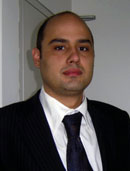
Consultancy Director at Indigo Pharma, Daniel Feliciano Ferreira
Majored in History from USP, Daniel Feliciano Ferreira spent the last three years as the International Division Director at EMS, in Milan, being in charge of the commercial and regulatory operations in three countries: Italy, Spain and Portugal. At the moment he is leading the Indigo Pharma Consultancy department, in Holland - where he lives and was interviewed by Top Team - providing support to Portuguese, Italian and Brazilian companies interested in the European market, as well as to European companies interested in the Brazilian market.
With great experience abroad, he speaks about the presence of global businessmen in other countries, advantages, difficulties and gives some advice for those who intend to act abroad.
The major difficulty faced by a Brazilian professional who intends to work abroad
The lack of credibility of the Brazilian Pharmaceutical Industry abroad. When compared to countries like India, the Brazilian share is still very limited. On the other hand, I am proud of being in charge of a hard though successful process to approve a generic version of a product used for transplants available in the European market. No other company from any other country has ever been able to have Cyclosporine registered in the English and German markets, just the Brazilian company I used to work for.
The biggest competitive advantage for those who have a Brazilian professional acting abroad
Being used to dealing with crisis and changes in the business environment. The European professionals, as a whole, are more used to stable realities and immutable game rules. Check the German market, for instance. They have implemented a new modality to the refund and purchase of medicines, which led to a deep crisis in some of the most traditional generic companies in Germany (the major ones in Europe so far). I believe we already have developed our capacity of dealing with radical changes in the scenario throughout the years.
Advice for those who are willing to be an "expat"
Getting to know the real political and cultural status of the country they will live in. I have contacted professionals who are perfectly able to do their work in Brazil, however, couldn't settle down in Europe because they were not able to get along with the local people. We had some coworkers who, after two years in Italy, did not know who the president was or any piece of information about either the history or the culture of the country (as well as the accurate use of the language, for example). Cultural background is the main tool for the professional living abroad. |
|


 Print this page
 Mail this page